Here’s an SEO-focused blog that targets merchants looking to improve their PrestaShop store’s visibility in Google.
PrestaShop SEO Guide 2026: 15 Proven Tips to Rank Higher on Google
If your PrestaShop store isn’t appearing on the first page of Google, you’re missing valuable organic traffic and potential sales. Search Engine Optimization (SEO) helps your products reach customers who are actively searching for them.
In this guide, we’ll cover 15 practical SEO tips to improve your PrestaShop store’s rankings and attract more visitors in 2026.
1. Use SEO-Friendly URLs
Enable friendly URLs in your PrestaShop settings and create short, descriptive URLs.
Good Example:
yourstore.com/mens-running-shoes
Avoid:
yourstore.com/index.php?id_product=123
Clean URLs are easier for users to understand and help search engines crawl your site.
2. Write Unique Meta Titles
Every product, category, and CMS page should have a unique meta title.
Example:
Men’s Running Shoes | Lightweight Sports Shoes | Your Store
Keep titles between 50–60 characters.
3. Optimize Meta Descriptions
Meta descriptions don’t directly improve rankings, but they can increase click-through rates.
Example:
“Discover lightweight men’s running shoes with free shipping, premium comfort, and competitive prices.”
Aim for 150–160 characters.
4. Use Proper Heading Structure
Each page should have only one H1 heading.
Use H2 and H3 headings for sections to improve readability and SEO.
Example:
- H1: Men’s Running Shoes
- H2: Features
- H2: Size Guide
- H2: Customer Reviews
5. Optimize Product Images
Large images slow down websites.
Best practices:
- Compress images before uploading.
- Use descriptive filenames.
- Add meaningful ALT text.
- Use modern image formats when possible.
Example ALT text:
“Blue men’s lightweight running shoes”
6. Improve Website Speed
Google rewards faster websites.
Ways to improve performance:
- Enable caching.
- Use a CDN.
- Optimize images.
- Minify CSS and JavaScript.
- Remove unused modules.
- Choose high-performance hosting.
A fast store improves both rankings and conversions.
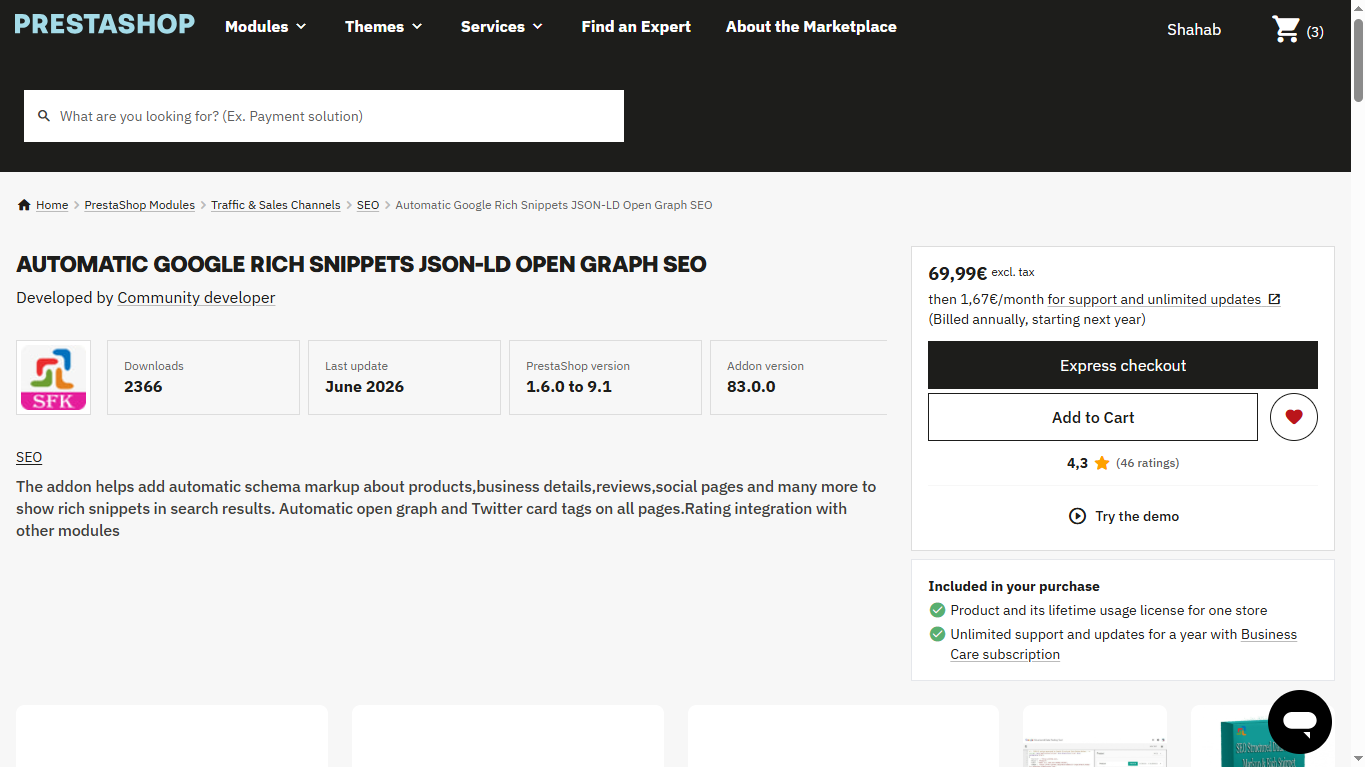
7. Add Structured Data (JSON-LD)
Structured data helps Google understand your products.
Implement schema markup for:
- Product
- Offer
- Review
- Breadcrumb
- Organization
- Website
- FAQ
Rich results can increase visibility and improve click-through rates.
8. Avoid Duplicate Content
Duplicate content can confuse search engines.
Reduce duplicates by:
- Using canonical URLs.
- Creating unique product descriptions.
- Avoiding copied manufacturer descriptions.
Always write original content whenever possible.
9. Create Helpful Category Content
Don’t leave category pages empty.
Include 200–500 words describing:
- Product types
- Buying advice
- Key features
- Frequently asked questions
Useful content helps search engines understand your categories.
10. Publish Blog Articles Regularly
Fresh content keeps your website active.
Consider writing about:
- Buying guides
- Product comparisons
- Industry trends
- Tutorials
- Maintenance tips
- Seasonal shopping advice
Informative blogs can attract visitors before they’re ready to buy.
11. Build Internal Links
Link related pages together.
For example:
- Products → Categories
- Blog → Products
- Blog → Categories
- Related Products
Internal links help search engines discover your content and improve navigation.
12. Optimize for Mobile Users
Most online shoppers browse on mobile devices.
Ensure your store:
- Loads quickly.
- Uses a responsive design.
- Has readable text.
- Provides easy navigation.
- Features a simple checkout process.
A mobile-friendly experience is essential for SEO and customer satisfaction.
13. Earn Quality Backlinks
Backlinks from reputable websites remain an important ranking factor.
Ways to earn them:
- Publish useful resources.
- Write guest posts.
- Partner with industry blogs.
- Create shareable content.
- Promote your articles on social media.
Focus on quality rather than quantity.
14. Monitor SEO Performance
Track your progress using tools such as:
- Google Search Console
- Google Analytics
- Bing Webmaster Tools
Monitor:
- Organic traffic
- Indexed pages
- Click-through rate (CTR)
- Search queries
- Crawl errors
Regular analysis helps you identify opportunities for improvement.
15. Keep PrestaShop Updated
Running the latest version of PrestaShop and keeping your modules up to date improves:
- Security
- Performance
- Compatibility
- User experience
Regular updates also ensure your store benefits from the latest improvements and bug fixes.
Final Thoughts
SEO is an ongoing process, not a one-time task. By implementing these best practices, you can improve your PrestaShop store’s visibility, attract more organic traffic, and increase conversions over time.
Start by optimizing your site’s technical foundation, creating high-quality content, and monitoring your performance regularly. Consistent effort will help your store achieve sustainable growth and stronger search engine rankings.
This article is optimized for the keyword “PrestaShop SEO” and can also rank for related searches such as “PrestaShop SEO Guide,” “Improve PrestaShop Google Ranking,” “PrestaShop Technical SEO,” and “PrestaShop SEO Tips.”