Search engine optimization (SEO) is one of the most effective ways to grow a PrestaShop store. A well-optimized store can attract more organic traffic, improve search rankings, and increase sales without relying solely on paid advertising.
1. Use SEO-Friendly URLs
Enable friendly URLs:
Shop Parameters → Traffic & SEO
Example:
❌
https://example.com/index.php?id_product=25
✅
https://example.com/wireless-headphones
Use short, descriptive URLs that include the primary keyword.
2. Write Unique Meta Titles
Keep titles between 50–60 characters.
Example:
Wireless Bluetooth Headphones | Free Shipping
Include:
- Primary keyword
- Brand name (optional)
- Selling point
Avoid duplicate titles across products.
3. Optimize Meta Descriptions
Aim for 140–160 characters.
Example:
Shop premium wireless Bluetooth headphones with fast shipping, secure checkout, and great prices.
A compelling description can improve click-through rates.
4. Optimize Product Descriptions
Write original content instead of using manufacturer text.
Include:
- Benefits
- Features
- Specifications
- FAQs
- Usage tips
A detailed description helps both users and search engines.
5. Use Proper Heading Structure
Each page should have one H1.
Use:
H1 Product Name

H2 Features

H2 Specifications

H2 Reviews

H2 FAQs
Keep headings logical and descriptive.
6. Optimize Images
Use descriptive filenames:
nike-running-shoes.jpg
Instead of:
IMG_001.jpg
Add meaningful ALT text.
Compress images and consider next-generation formats such as WebP where supported.
7. Improve Website Speed
Google values fast-loading websites.
Optimize by:
- Enabling caching
- Compressing images
- Minifying CSS and JavaScript
- Using a CDN
- Choosing quality hosting
- Reducing unnecessary modules
8. Make Your Store Mobile-Friendly
Many shoppers browse on mobile devices.
Ensure:
- Responsive theme
- Readable fonts
- Easy navigation
- Fast mobile loading
- Large touch-friendly buttons
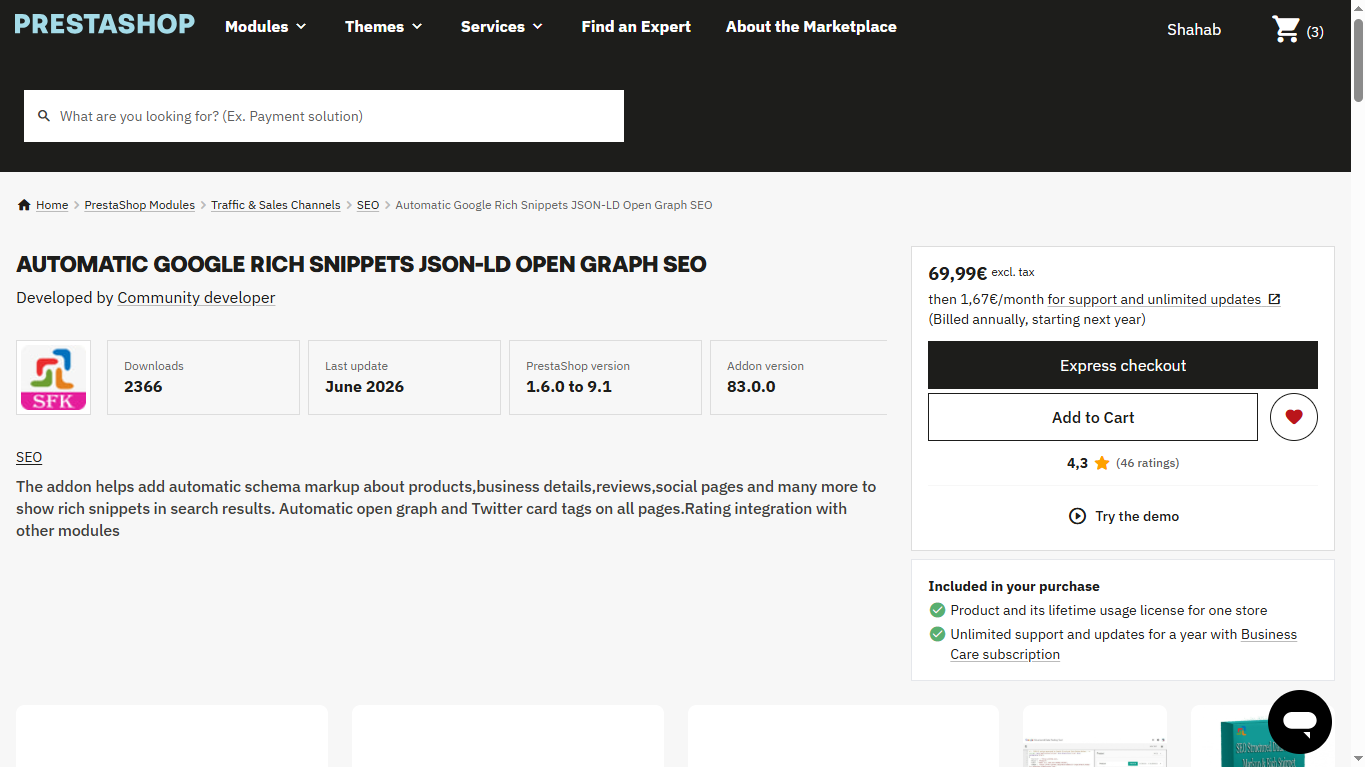
9. Add Structured Data
Implement Schema.org markup for:
- Product
- Offer
- Review
- Breadcrumb
- Organization
- Website
- SearchAction
- FAQ (where appropriate)
Structured data can make listings more informative in search results.
10. Create XML Sitemap
Generate and submit an XML sitemap to Google Search Console.
Include:
- Products
- Categories
- CMS pages
- Images
Update the sitemap when content changes.
11. Fix Duplicate Content
Use canonical URLs to avoid duplicate indexing.
Common duplicates:
- Product filters
- Sorting parameters
- Pagination
- Multiple category paths
12. Optimize Categories
Category pages should include:
- Unique title
- SEO description
- Introductory content
- Helpful FAQs
- Internal links
Avoid pages with only a product grid and no useful text.
13. Build Internal Links
Link between:
- Related products
- Categories
- Blog posts
- Buying guides
- FAQs
Good internal linking helps users discover content and helps search engines understand your site structure.
14. Use a Blog
Useful blog topics include:
- Buying guides
- Product comparisons
- Tutorials
- Industry news
- Maintenance tips
Educational content can attract visitors who are still researching.
15. Optimize Core Web Vitals
Focus on:
- Largest Contentful Paint (LCP)
- Interaction to Next Paint (INP)
- Cumulative Layout Shift (CLS)
Improving these metrics can enhance user experience.
16. Monitor Google Search Console
Regularly check for:
- Coverage issues
- Crawl errors
- Indexing status
- Search performance
- Mobile usability
- Rich result enhancements
17. Use HTTPS
Install an SSL certificate.
Secure websites improve user trust and protect customer data.
18. Earn Quality Backlinks
Focus on:
- Guest articles
- Industry blogs
- Resource pages
- Partnerships
- Digital PR
Prioritize relevance and quality over quantity.
19. Avoid Common SEO Mistakes
- Duplicate titles
- Thin content
- Broken links
- Missing ALT text
- Slow pages
- Keyword stuffing
- Poor mobile experience
- Orphan pages
20. Keep Content Fresh
Regularly:
- Update descriptions
- Refresh category pages
- Add FAQs
- Improve images
- Expand buying guides
Search engines often favor content that remains accurate and useful.
PrestaShop SEO Checklist
✅ Friendly URLs
✅ Unique meta titles and descriptions
✅ Original product content
✅ Optimized images and ALT text
✅ Structured data
✅ XML sitemap
✅ Internal linking
✅ Mobile-friendly design
✅ Fast page speed
✅ HTTPS enabled
✅ Canonical URLs
✅ Regular Search Console monitoring
Final Thoughts
SEO is an ongoing process rather than a one-time setup. By combining technical SEO (speed, structured data, indexing), on-page SEO (titles, content, headings), and a consistent content strategy, you can build long-term organic visibility for your PrestaShop store.
SEO Tags
#PrestaShop #PrestaShopSEO #EcommerceSEO #GoogleSEO #TechnicalSEO #SchemaMarkup #CoreWebVitals #SearchConsole #XMLSitemap #RichSnippets #OnlineStore #DigitalMarketing #SEOChecklist #WebsiteOptimization #OrganicTraffic