Getting better visibility for your PrestaShop store comes down to combining solid technical setup with consistent content and optimization work. Here’s what actually moves the needle:
1. Clean URLs & Technical Basics
Start with the fundamentals inside PrestaShop:
- Enable friendly URLs (no messy parameters like
?id_product=123) - Set up proper meta titles & descriptions for every product, category, and CMS page
- Use HTTPS (SSL certificate is essential for SEO + trust)
- Create and submit a sitemap.xml to Google Search Console
2. Keyword Optimization (Don’t Guess)
Use tools like Google Keyword Planner or Ahrefs to find what people actually search.
Then:
- Include keywords naturally in:
- Product titles
- Descriptions
- URLs
- Image alt tags
- Focus on long-tail keywords (e.g., “men’s leather wallet slim” instead of just “wallet”)
3. Product Page SEO (Huge Impact)
Each product page should:
- Have unique descriptions (avoid copying manufacturer text)
- Include structured content (bullet points, specs)
- Add reviews (user-generated content boosts rankings)
- Optimize images (compressed + descriptive filenames)
4. Speed & Performance
Site speed directly affects rankings and conversions.
- Use caching modules
- Compress images (WebP if possible)
- Choose a fast hosting provider
- Minimize unnecessary modules
You can test performance with Google PageSpeed Insights
5. Mobile Optimization
Most traffic is mobile:
- Use a responsive theme
- Ensure fast load times on mobile
- Avoid intrusive popups
6. Internal Linking Structure
Help search engines crawl your site:
- Link related products (“You may also like”)
- Use clear category hierarchy
- Add breadcrumbs
7. Content Marketing (Often Ignored)
PrestaShop has CMS pages—use them:
- Write blog-style content (guides, comparisons)
- Target informational keywords
- Answer customer questions
Example: “How to choose the right running shoes”
8. Backlinks (Authority Builder)
Get other websites to link to you:
- Guest posts
- Product reviews by bloggers
- Directory listings
- Partnerships
Backlinks are still one of the strongest ranking factors.
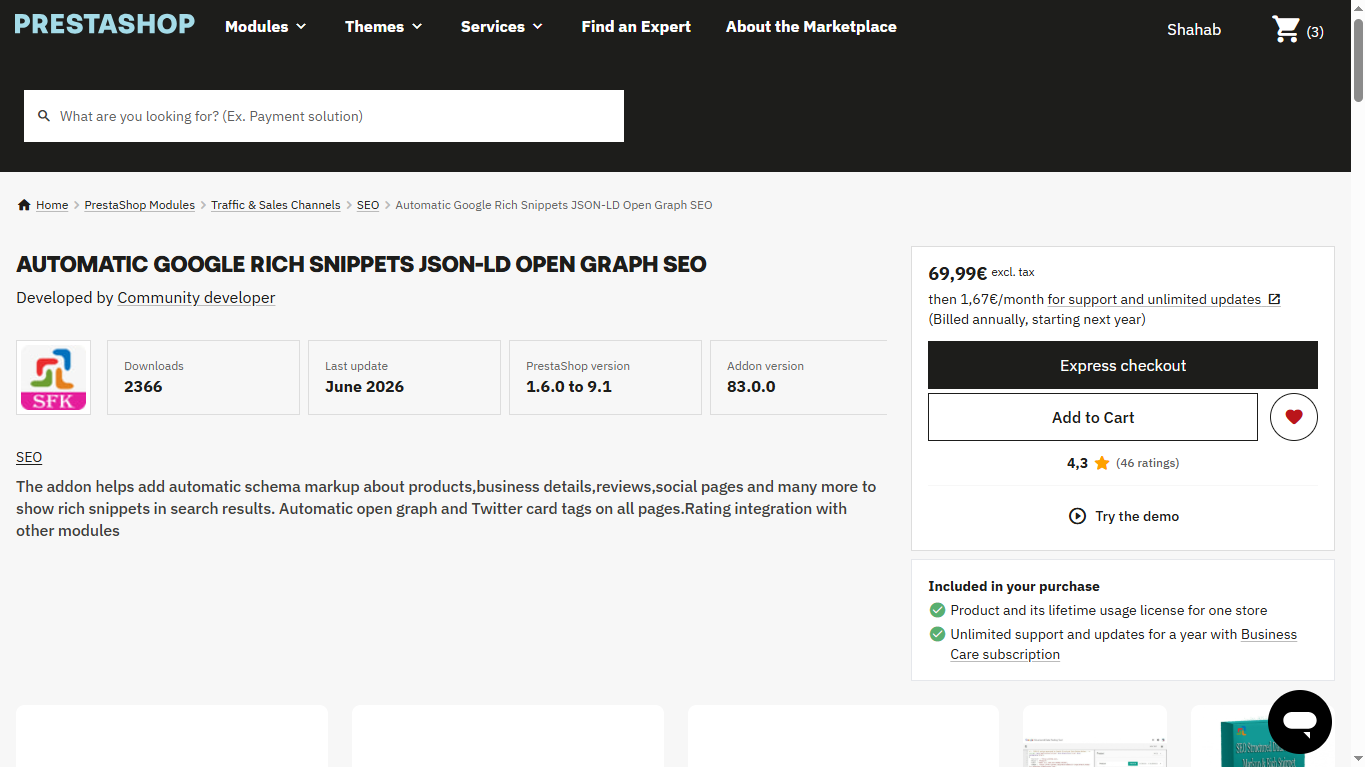
9. Rich Snippets (Structured Data)
Add schema markup for:
- Products (price, availability, reviews)
- Breadcrumbs
This helps your listings stand out in search results.
10. Avoid Common PrestaShop SEO Mistakes
- Duplicate content (especially product variations)
- Missing meta tags
- Thin product pages
- Broken links
- Ignoring canonical URLs
11. Use SEO Modules (Optional Boost)
Some helpful PrestaShop add-ons:
- SEO Expert
- Pretty URLs
- Schema Markup tools
12. Track & Improve
Monitor performance regularly:
- Use Google Analytics for traffic
- Track keywords and rankings
- Improve pages that are close to ranking (positions 5–15)
Quick Reality Check
SEO for e-commerce isn’t instant. Even with perfect optimisation, expect:
- 2–3 months → early movement
- 4–6 months → noticeable traffic
- 6–12 months → strong results